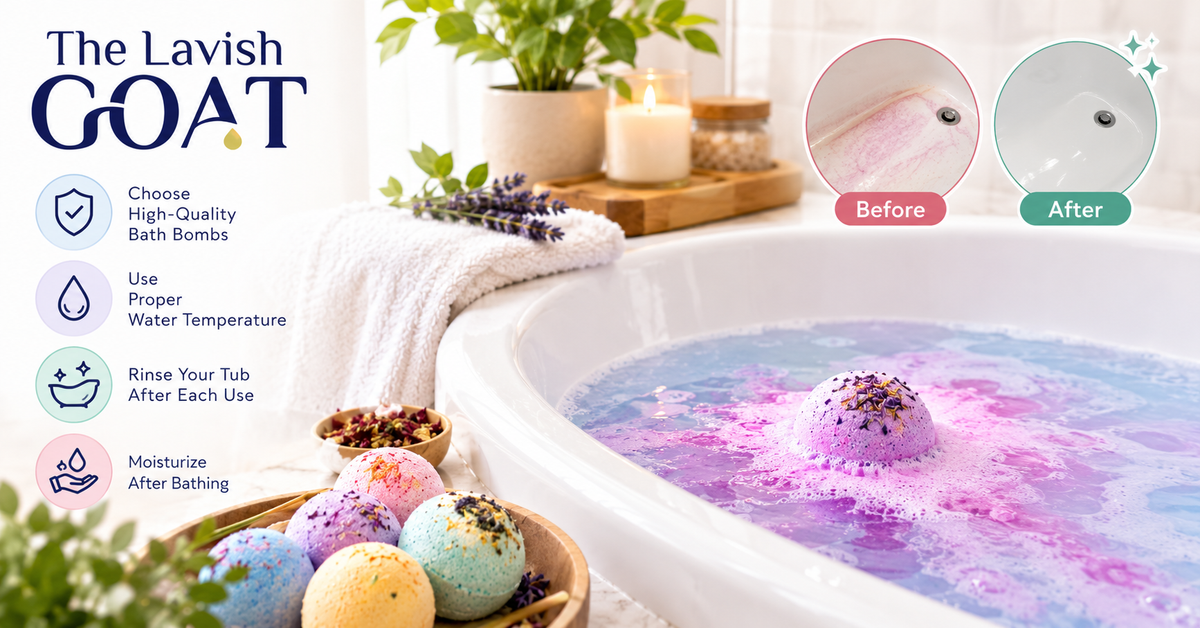
Here's the short answer: that oily film or sticky ring you're seeing after a soak is almost always from the oils and butters packed into your Bath Bombs on purpose. They're not a flaw — they're doing their job, coating your skin in moisture while the fizzy base dissolves around them. The residue can also come from dyes, glitter, or how hard your water is. Below, we'll break down exactly why it happens, whether it's something to worry about, and how to enjoy that silky-soft feeling without turning your tub into a slip-and-slide.
What's Actually Inside Your Bath Bomb
Before we point fingers, let's look at the recipe. Most Bath Bombs start with a fizzy base of baking soda and citric acid. That's the part that reacts with water and sends your bomb spinning and bubbling around the tub.
But the fizz isn't the star of the show. The real magic lives in the extras blended in:
- Carrier oils like coconut, sweet almond, or jojoba oil
- Butters such as shea or cocoa butter
- Essential oils for fragrance and a spa-like feel
- Dyes or mica powders for that Instagram-worthy color
- Glitter or petals for a little extra flair
These ingredients are what separate a basic fizzer from a luxurious Bath Bomb. They're designed to melt into the warm water and coat your skin, leaving it soft instead of dry and tight. So if you're noticing a film, it's a sign the oils are doing exactly what they were made to do.
The Real Reasons Behind That Oily Film
Now let's get into the specifics. A handful of factors decide whether your bath leaves behind a light sheen or a thick, slippery layer.
1. Oil and Butter Content
The more oils and butters packed into a formula, the richer the residue. Bath Bombs marketed as "moisturizing" or "ultra-hydrating" usually contain a higher oil ratio. That's great for dry skin, but it also means more film floating on top of the water.
2. Water Temperature
Hot water melts oils and butters faster and more completely. If your bath runs very hot, the oils spread out more evenly, which can actually make the film feel thinner on your skin but more noticeable around the tub's waterline.
3. How Long You Soak
Oils and water don't mix, so the longer you sit in the tub, the more those oils separate and float to the surface. A quick ten-minute dip looks very different from a forty-five-minute soak.
4. Water Hardness
Hard water, which is high in minerals like calcium and magnesium, reacts with certain oils and soap-like ingredients. This reaction can create a stickier, almost waxy residue compared to what you'd see in soft water.
5. Added Extras
Glitter, mica, and heavy dyes don't dissolve the way the fizzy base does. They can cling to the oily layer and make the residue feel grittier or more noticeable on your skin and tub surface.
Put it all together, and that oily film is really just chemistry: fats and water refusing to blend, plus whatever extra ingredients your Bath Bombs happen to contain.
Is That Residue Actually a Bad Thing?
Honestly? Not at all. A light oily film is usually a good sign, not a bad one. It means the moisturizing ingredients in your Bath Bombs are working as intended, coating your skin in a layer of hydration instead of washing straight down the drain.
Think of it like a built-in lotion. Many people step out of the tub and skip body lotion entirely because their skin already feels soft and supple.
That said, there are a few situations worth paying attention to:
- Breakouts or clogged pores: if you notice more blemishes after using oil-heavy Bath Bombs, your skin type might prefer lighter formulas.
- A slippery tub: oily residue on porcelain or acrylic surfaces can be a genuine slip hazard, especially for kids or older family members.
- Sensitive skin reactions: redness or itching points to a sensitivity to a specific oil or fragrance, not the oil content itself.
For most people, though, that silky film is simply the payoff of a well-made, nourishing product.
How to Reduce the Residue Without Losing the Benefits
Want that soft-skin feeling without the slippery aftermath? A few small tweaks make a big difference.
Choose lighter formulas. Look for Bath Bombs labeled "fizzy" or "light" rather than "moisturizing" or "butter-rich" if residue bothers you. They still smell amazing and still fizz beautifully, just with less oil.
Shorten your soak time. A 15 to 20 minute bath gives you plenty of relaxation without giving oils as much time to separate and pool.
Lower the water temperature slightly. Very hot water accelerates how fast oils melt and spread. A warm, not scalding, bath keeps things more balanced.
Rinse off after your bath. A quick rinse with plain water (or a gentle shower) after you drain the tub removes any leftover film from your skin, leaving you feeling clean rather than greasy.
Check the ingredient list. If you consistently react to a certain oil, like coconut or cocoa butter, scan labels before you buy. Brands are increasingly transparent about what goes into their Bath Bombs, so this is easier than it used to be.
Quick Cleanup Tips for Your Tub (and Yourself)
A little post-bath cleanup keeps both you and your tub happy.
For your skin: pat dry instead of rubbing vigorously. Rubbing can spread the oil around rather than remove it. If you still feel residue, a gentle rinse with a mild cleanser handles the rest.
For your tub: oily rings love to cling to porcelain, acrylic, and fiberglass. Spray the tub with a vinegar-and-water solution or a regular bathroom cleaner, then wipe with a non-abrasive sponge. Avoid letting the residue sit for days, since it gets harder to remove the longer it stays.
For safety: always test the tub floor with your foot before stepping in again, especially if kids or elderly family members share the bathroom. A bath mat adds a layer of grip and protection.
A few minutes of cleanup is a small price to pay for the relaxing, spa-like experience Bath Bombs deliver.
The Bottom Line
That oily film isn't a mistake, it's a feature. Bath Bombs are built with oils and butters precisely so your skin walks away feeling soft, not stripped. A little residue just means the formula is doing what it promised.
If the slipperiness bothers you more than it pleases you, lighter formulas, shorter soaks, and a quick post-bath rinse will keep the glow without the grease. Either way, the next time you drop a fizzing, colorful bomb into the tub, you'll know exactly what's happening beneath the surface.