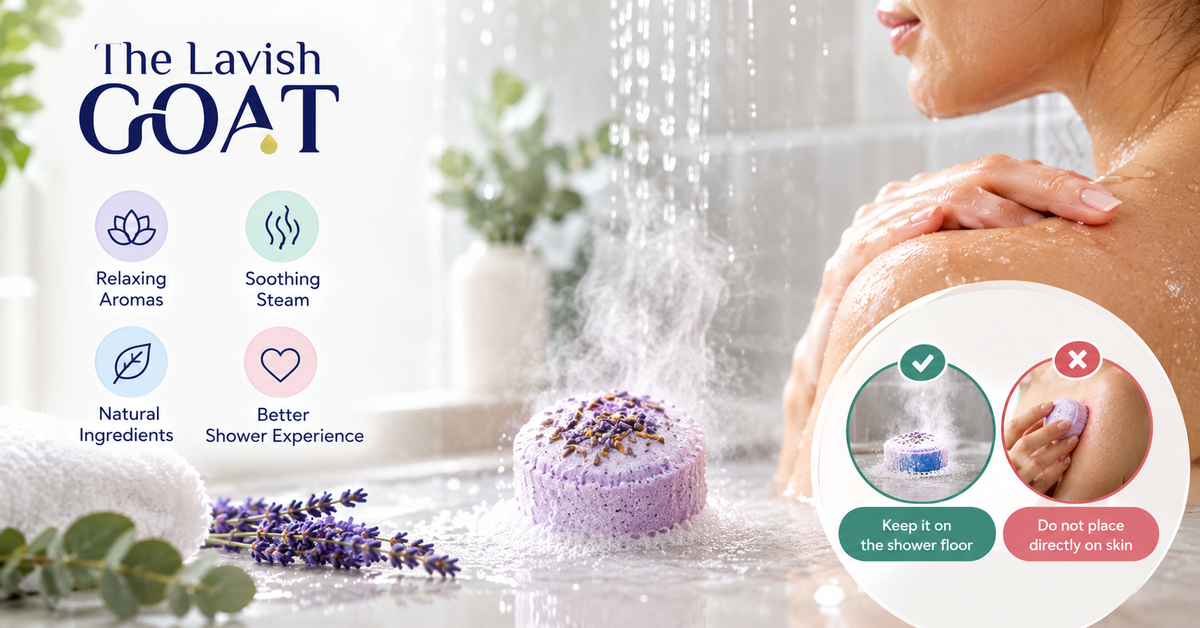
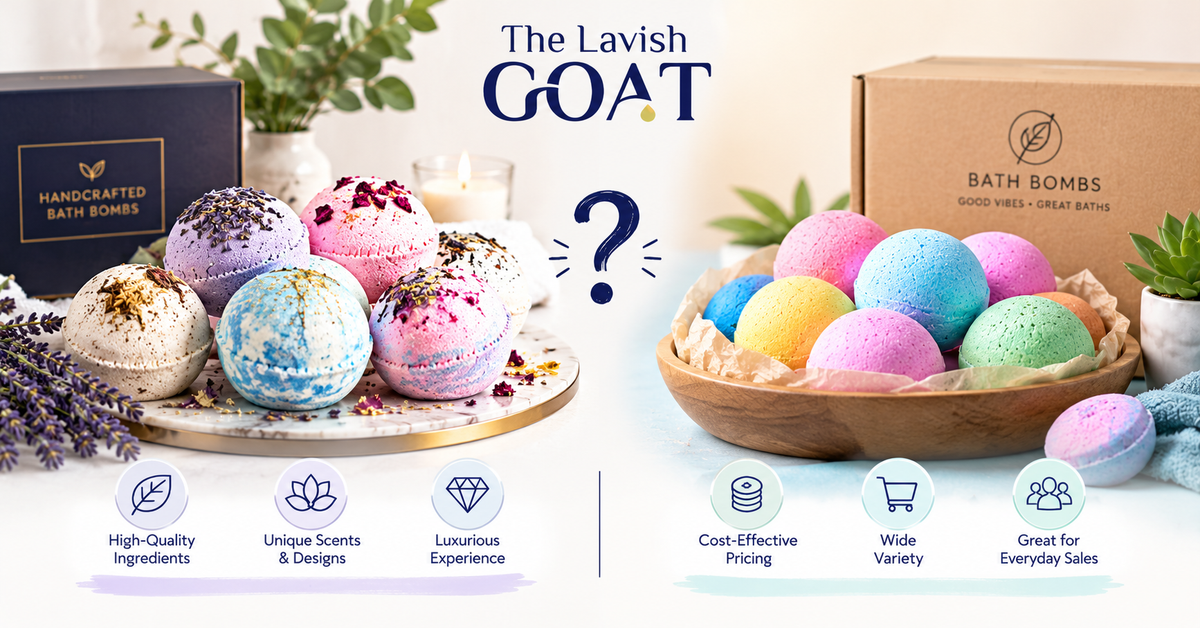
Choosing a shower steamer manufacturer is one of those decisions that quietly shapes everything else about your brand — your margins, your turnaround time, and whether customers come back for a second order. This guide breaks down the exact things to compare: production capability, ingredient sourcing, customization, certifications, pricing structure, sustainability, and communication, so you can pick a partner who feels less like a vendor and more like a teammate.
Why Your Manufacturer Is Basically a Silent Co-Founder
Here's the thing nobody tells you when you start a bath and body brand: the shower steamer manufacturer you choose isn't just a supplier, they're baked into your product experience. A customer doesn't know (or care) who made the steamer in their shower caddy. They just know whether it fizzed properly, smelled amazing, and didn't crumble in the box during shipping.
That means every comparison you make between manufacturers is really a comparison of future customer reviews. Get it right, and you've got a partner who helps you scale smoothly. Get it wrong, and you're stuck explaining refunds and chasing down why batch 12 smells nothing like batch 3.
So before you sign anything, it's worth slowing down and comparing manufacturers across a few key categories. Let's walk through them one by one.
1. Production Capability and Quality Control
Start with the basics: can they actually make what you're imagining, at the volume you'll eventually need? A small batch studio might nail a 500-unit order but buckle when you need 20,000 units for a retail launch.
Ask to see their production floor (in person or over video call). Look for:
- Dedicated mixing and molding equipment, not a single countertop setup
- Batch testing for fizz consistency, color bleed, and scent strength
- A documented quality control process, not just "we check it looks okay"
- Climate-controlled storage, since shower steamers are sensitive to humidity
A reputable shower steamer manufacturer should be able to walk you through their QC checkpoints without hesitating. If they get vague or defensive, that's a signal worth paying attention to.
2. Ingredient Sourcing and Formulation Expertise
This is where a lot of brands get caught off guard. Not every shower steamer manufacturer formulates from scratch, some are simply assembling pre-made bases from a catalog. That's fine if you're okay with the same formula every other brand on Etsy is using. It's not fine if you want something distinctive.
Dig into:
- Where their baking soda, citric acid, and essential oils are sourced from
- Whether they offer custom scent and color development, or only pick-from-a-list options
- How they handle allergen disclosures and ingredient documentation (you'll need this for your packaging anyway)
- Their process for testing fizz time and dissolution rate
A manufacturer with real formulation chops will ask you questions too, about your target customer, your price point, your brand vibe. That back-and-forth is a good sign they're invested in getting it right, not just filling an order.
3. Private Label and Customization Options
If you want your brand to stand out on a shelf (physical or digital), private label flexibility matters more than people expect going in. Some manufacturers only offer white-label products with a sticker slapped on. Others let you build something that's genuinely yours.
Compare how far each manufacturer lets you go:
- Custom shapes and embeds (dried flowers, glitter, mini toys)
- Private label packaging versus generic tubs with your logo on top
- Exclusive scent or color combinations you can lock in as "yours"
- Minimum customization thresholds (some require higher MOQs for custom work)
The right shower steamer manufacturer should treat customization as a conversation, not a locked menu. If every option feels like an upsell rather than a collaboration, keep looking.
4. Certifications, Compliance, and Safety Standards
Shower steamers touch skin, get inhaled as steam, and sit in wet environments, so safety isn't optional. A trustworthy shower steamer manufacturer will have documentation ready, not promises.
Look for:
- GMP (Good Manufacturing Practice) certification
- Compliance with cosmetic regulations relevant to where you sell (FDA guidelines in the US, CPNP in the EU, for example)
- Safety Data Sheets (SDS) for every ingredient used
- Stability and microbial testing results
If a manufacturer can't produce these documents when asked, that's not a small gap, it's a liability you'd be inheriting along with your inventory.
5. MOQs, Pricing, and Scalability
Minimum order quantities can make or break a new brand's cash flow. Some manufacturers want you to commit to thousands of units before you've even tested demand. Others offer lower MOQs to start, with pricing that improves as you scale.
When comparing quotes, look past the per-unit price and ask:
- What's included (packaging, labeling, boxing) versus billed separately
- Whether pricing tiers reward growth, or stay flat regardless of volume
- Lead time differences between small and large orders
- Payment terms, deposits, and what happens if a batch fails QC
The cheapest quote isn't always the smartest one. A manufacturer offering slightly higher prices but better scalability can save you from switching suppliers (and redoing your whole supply chain) a year from now.
6. Sustainability and Packaging Choices
Customers increasingly expect bath products to feel as good for the planet as they do for their shoulders after a long day. If sustainability matters to your brand (and it probably should), ask your manufacturer about:
- Biodegradable or recyclable packaging options
- Whether they use palm oil alternatives or sustainably sourced ingredients
- Plastic-free or minimal-plastic shipping materials
- Any waste reduction practices in their production process
Not every manufacturer will check every box, and that's okay. What matters is transparency about what they do and don't offer, so you're not making promises to customers that your supply chain can't back up.
7. Communication, Lead Times, and Reliability
Honestly, this might be the most underrated factor on the list. You can have the best formula and the prettiest packaging in the world, but if your manufacturer goes dark for two weeks right before a launch, none of that matters.
Before committing, pay attention to:
- How quickly they respond to initial inquiries (it's a preview of what's coming)
- Whether they give realistic lead times, or vague "we'll try our best" answers
- How they handle delays or production hiccups when they happen, because they will
- Whether you'll have a dedicated point of contact or a rotating support inbox
A shower steamer manufacturer who communicates clearly from day one is far more likely to be a partner you can lean on during a big launch, a holiday rush, or an unexpected reorder.
Bringing It All Together
Choosing a shower steamer manufacturer isn't about finding the "best" one on paper, it's about finding the one whose strengths match what your brand actually needs right now. A tiny indie brand prioritizing custom scents might choose differently than a fast-growing label chasing retail shelf space.
Before you sign a contract, run through this quick checklist:
- Can they handle your current and projected order volume?
- Do they formulate custom scents, colors, and shapes, or only offer set options?
- Can they provide GMP certification and ingredient safety documentation?
- Are their MOQs and pricing realistic for your growth stage?
- Do their sustainability practices match your brand values?
- Do they communicate clearly and respond quickly?
Get these answers upfront, and you'll spend a lot less time firefighting later. The right manufacturer doesn't just make your product, they help make your brand look as good as it should on day one.