For years, self-care and athletic performance lived in separate worlds. One conjured images of candlelit bathtubs and rose petals; the other, foam rollers, ice baths, and protein shakes. Today, those worlds have collided in a surprisingly effective way — post-workout recovery bath bombs. These fizzy, aromatic spheres are no longer just a bathroom indulgence reserved for lazy Sundays. They've become a legitimate part of many athletes' and fitness enthusiasts' recovery routines, blending the sensory pleasure of a spa ritual with the functional benefits of muscle relief, inflammation reduction, and stress management.
This shift reflects a broader movement in the wellness industry: the rise of "functional self-care," where products are expected to do more than just feel good. Consumers now want their bath products to deliver measurable benefits, whether that's easing sore muscles after leg day or calming an overstimulated nervous system after a long run. Bath bombs, along with their steamy cousins, Shower Steamers, Bath Bombs, have emerged as accessible, affordable tools in this new wave of recovery-focused self-care.
Why Post-Workout Recovery Matters More Than Ever
Exercise, especially high-intensity or resistance training, creates microscopic tears in muscle fibers. This is a normal and necessary part of building strength, but it also causes inflammation, soreness, and sometimes stiffness that can last for days. Delayed Onset Muscle Soreness, commonly known as DOMS, is one of the most familiar complaints among people who exercise regularly. While rest, hydration, and proper nutrition remain the cornerstones of recovery, more people are turning to complementary practices that support the body's natural healing processes.
This is where the modern fitness culture has started to embrace ingredients long used in traditional medicine and spa therapy. Warm water immersion has been used for centuries to soothe aching bodies, and when combined with targeted ingredients like Epsom salt, essential oils, and botanical extracts, a simple bath transforms into a multi-sensory recovery session. The rise of recovery-focused bath products taps directly into this demand, offering an easy, low-effort way to support the body after physical exertion.
The Science Behind the Fizz
At the heart of most recovery bath bombs is magnesium sulfate, more commonly known as Epsom salt. Magnesium plays a critical role in muscle function, and some proponents believe that soaking in Epsom salt allows magnesium to be absorbed through the skin, helping to relax tight muscles and reduce cramping. While scientific evidence on transdermal magnesium absorption is still debated, the warmth of the bath itself has well-documented benefits: it increases blood flow, which can help flush out metabolic waste products like lactic acid and deliver oxygen and nutrients to fatigued tissues.
Beyond magnesium, many recovery bath bombs incorporate essential oils known for their anti-inflammatory and analgesic properties. Eucalyptus oil, for example, is often included for its cooling, decongestant effect, which can be especially soothing after intense cardio sessions. Peppermint oil offers a similar cooling sensation and has been associated with reduced perception of pain in some studies. Arnica, a botanical extract long used in topical treatments for bruising and swelling, is another popular addition, prized for its traditional role in reducing inflammation.
Some formulations also include CBD or hemp-derived compounds, capitalizing on their growing popularity in the recovery space. While regulatory scrutiny around CBD claims varies by region, many users report a calming, relaxing effect that complements the physical benefits of the bath itself.
The Rise of Functional Self-Care as a Category
What makes this trend particularly interesting is how it reflects a shift in consumer expectations. A decade ago, self-care products were largely about indulgence and aesthetics — a bath bomb was chosen for its color, scent, or Instagram appeal. Today, shoppers are reading ingredient labels the way they might scan a nutrition facts panel, looking for functional ingredients that align with specific goals: better sleep, stress reduction, or in this case, physical recovery.
This evolution mirrors broader trends across the wellness industry, where "functional" has become one of the most powerful marketing words. Functional beverages, functional mushrooms, functional skincare — the pattern is the same across categories. Consumers want products that multitask, delivering both emotional and physical benefits in a single experience. Post-workout bath bombs fit neatly into this narrative because they combine ritual and relaxation with tangible, ingredient-driven outcomes.
Fitness brands have taken notice. It's no longer unusual to see bath and body products marketed alongside protein powders and resistance bands, or for gyms and studios to stock recovery bath bombs in their retail sections. Athletes and everyday gym-goers alike are treating bath time as an extension of their training regimen rather than a separate indulgence.
Shower Steamers, Bath Bombs: Two Formats, One Purpose
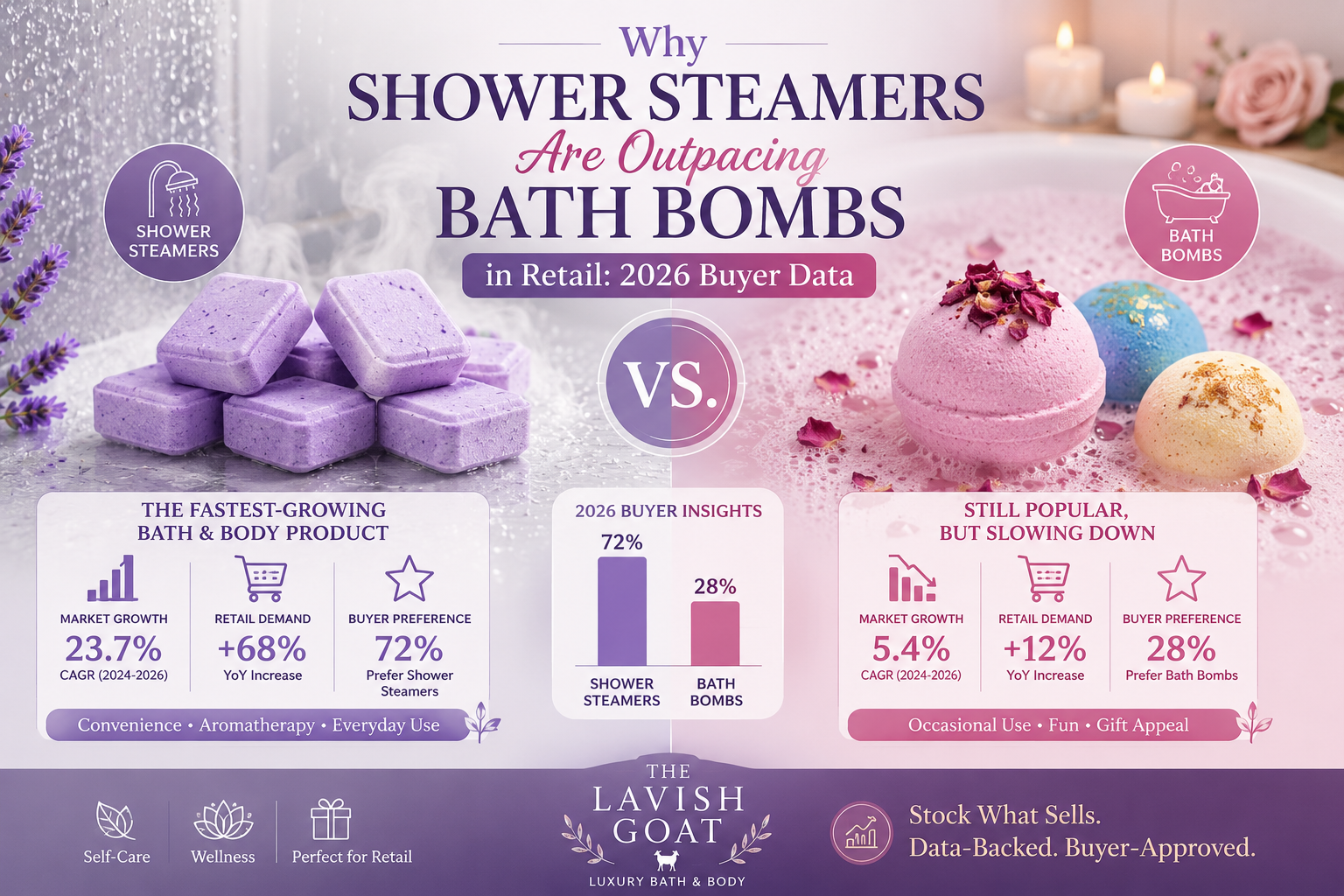
While bath bombs remain the most recognizable format, the category has expanded to include Shower Steamers, Bath Bombs, which cater to people who don't have access to a bathtub or simply prefer a quicker recovery ritual. Shower steamers are compact tablets placed on the shower floor, away from direct water flow, where they slowly dissolve and release aromatic vapors as steam activates their essential oils. This makes them a practical alternative for apartment dwellers, gym-goers with limited time, or anyone who wants the sensory benefits of aromatherapy without a full soak.
The rise of both formats speaks to the flexibility consumers now expect from self-care products. Not everyone has thirty minutes to soak in Epsom salt after a workout, but almost everyone can spare five minutes in the shower. By offering recovery-focused ingredients in multiple formats, brands are meeting people where they are, whether that's a leisurely evening bath or a quick rinse before heading to work.
Who Is Buying These Products?
The demographic driving this trend is broader than one might expect. It's not just professional athletes or dedicated gym rats; it includes casual runners, yoga practitioners, weekend hikers, and even office workers dealing with tension from long hours at a desk. Social media has played a significant role in popularizing recovery bath products, with fitness influencers and wellness creators showcasing their post-workout routines, often featuring a steaming tub infused with a dissolving, fragrant bath bomb.
There's also a strong overlap with the mental health conversation happening across the fitness world. Recovery isn't just physical anymore; it's understood as a holistic process that includes stress reduction and nervous system regulation. A warm bath after a hard workout doesn't just ease sore muscles, it also signals to the brain that it's time to slow down, which can improve sleep quality and reduce the compounding effects of chronic stress.
What to Look for in a Quality Recovery Bath Bomb
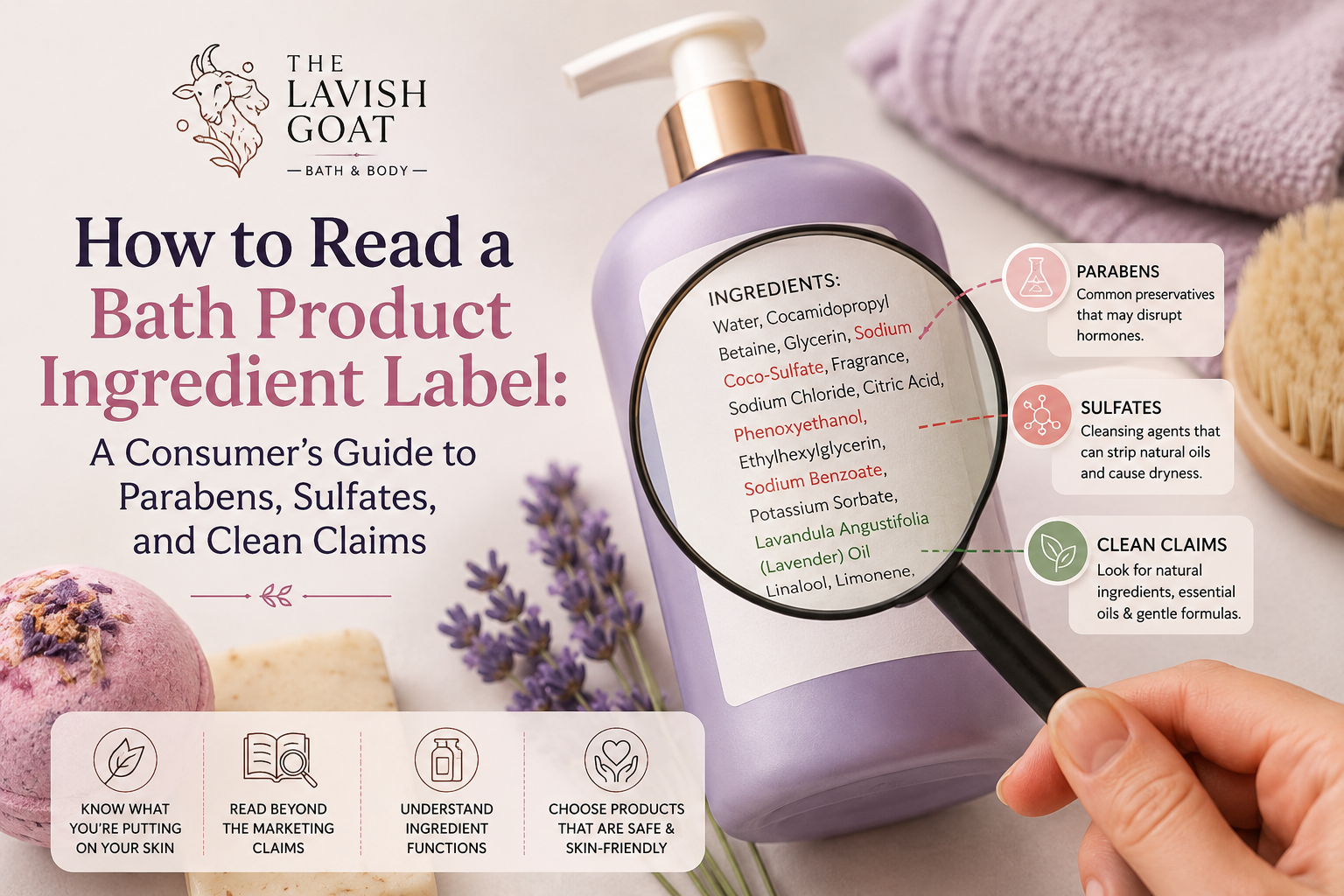
For those interested in trying this trend, not all products are created equal. Ingredient quality matters significantly. Look for bath bombs that use real Epsom salt rather than diluted fillers, and check for the inclusion of therapeutic-grade essential oils rather than synthetic fragrances alone. Arnica, magnesium chloride, and menthol are all ingredients associated with muscle recovery benefits, while lavender and chamomile are better suited for relaxation and sleep support.
It's also worth considering skin sensitivity, as some essential oils can be irritating for those with sensitive skin or certain skin conditions. Patch testing new products is a reasonable precaution, especially for people prone to allergic reactions.
Conclusion: A Trend With Staying Power
The rise of post-workout recovery bath bombs represents more than a passing wellness fad. It reflects a genuine shift toward functional self-care, where relaxation and physical benefit are no longer mutually exclusive. As fitness culture continues to embrace holistic recovery practices, products like bath bombs and shower steamers are likely to remain fixtures in the routines of people who see recovery not as an afterthought, but as an essential part of their training. Whether soaking in a tub or standing under a steaming shower, this small ritual offers a meaningful way to bridge the gap between physical performance and everyday self-care.