For more than a decade, the bath and body aisle had one undisputed star. Round, colorful, and endlessly Instagrammable, bath bombs turned an ordinary soak into an event. But walk into a boutique, gift shop, or spa retailer in 2026, and you'll notice something has changed: shower steamers now command as much shelf space, endcap real estate, and buyer attention as their fizzy predecessor. This isn't a fad — it's a structural shift in how retailers are building their self-care assortments, and the data behind it tells a clear story about where wellness spending is heading next.
The Market Numbers Behind the Shift
The scale of the shower steamer category's rise is easy to underestimate until you look at the growth curves. Industry research pegs the <cite index="1-1">global shower steamer market at roughly $1.02 billion in 2024, with projections putting it near $2.43 billion by 2033</cite> — more than doubling in under a decade. <cite index="1-1">High-growth regions like Asia Pacific are seeing category expansion around a 12.1% compound annual growth rate</cite>, a pace few categories in personal care can match.
Bath bombs, meanwhile, are far from dying. <cite index="2-1">The global bath bomb market was valued at about $1.4 billion in 2026 and is expected to reach roughly $2.97 billion by 2035</cite>, growing at a still-healthy <cite index="2-1">8.70% compound annual rate</cite>. That's solid growth by any normal retail standard. The story isn't that bath bombs are collapsing — it's that shower steamers are growing faster from a smaller base, closing the gap in total category value while chipping away at bath bombs' status as the default gift-shop bestseller. Market analysts have specifically flagged shower steamers, along with aromatherapy body washes, as a <cite index="2-1">substitution threat that competes for the same self-care occasions at a lower per-use cost and with less storage burden</cite> — a dynamic that shows up directly in buyer purchase-order data.
Why Buyers Are Reallocating Shelf Space
Retail buyers don't chase trends for their own sake; they follow sell-through and repeat purchase rates. Several forces are driving the reallocation toward Shower Steamers, Bath Bombs assortments that increasingly favor the former.
1. The bathtub problem. A growing share of housing stock, especially in urban apartments and newer builds, simply doesn't include a bathtub. A beautifully packaged bath bomb is a hard sell to a customer who only has a shower stall. One wholesale supplier guide put it plainly: <cite index="4-1">shower steamers have emerged as the category with the most growth potential for retailers, largely because they capture a massive consumer base that bath bombs simply cannot serve</cite>. That's not a marketing angle — it's a demographic reality reshaping who buyers stock for.
2. Everyday ritual versus occasional indulgence. Bath bombs are tied to a slower, more occasional ritual: drawing a bath takes time, water, and a tub to begin with. Shower steamers slot into a five-minute morning or evening routine that people already have. That convenience translates into purchase frequency. Retailers report that shower steamers deliver strong repeat-purchase behavior precisely because they fit into a habit rather than an occasional treat.
3. Seasonality — or the lack of it. One of the most striking findings in UK wholesale data is how differently the two categories perform across the calendar. <cite index="7-1">Retailers often see a surge in bath bomb sales between October and January</cite>, driven by colder weather baths and holiday gifting, but sales taper sharply the rest of the year. <cite index="7-1">Shower steamers, by contrast, show steady performance throughout the year</cite>, giving buyers a category that doesn't require the same aggressive seasonal markdown cycles bath bombs often need in spring and summer. For a buyer managing shelf space and cash flow twelve months a year, a product with flat, reliable demand is inherently easier to plan around than one with a four-month sales window.
4. Margin and merchandising flexibility. Shower steamers are compact, lightweight, and cheap to ship relative to their retail price, which gives buyers room to merchandise them at multiple price points — from single-use trial packs near the register to multi-pack gift sets. Wholesale guides note that the category offers <cite index="4-1">strong margins and year-round demand that work at every price point</cite>, which is a more forgiving margin structure than bulkier bath bomb sets that require more packaging and are more prone to breakage in transit.
What Bath Bombs Still Do Better
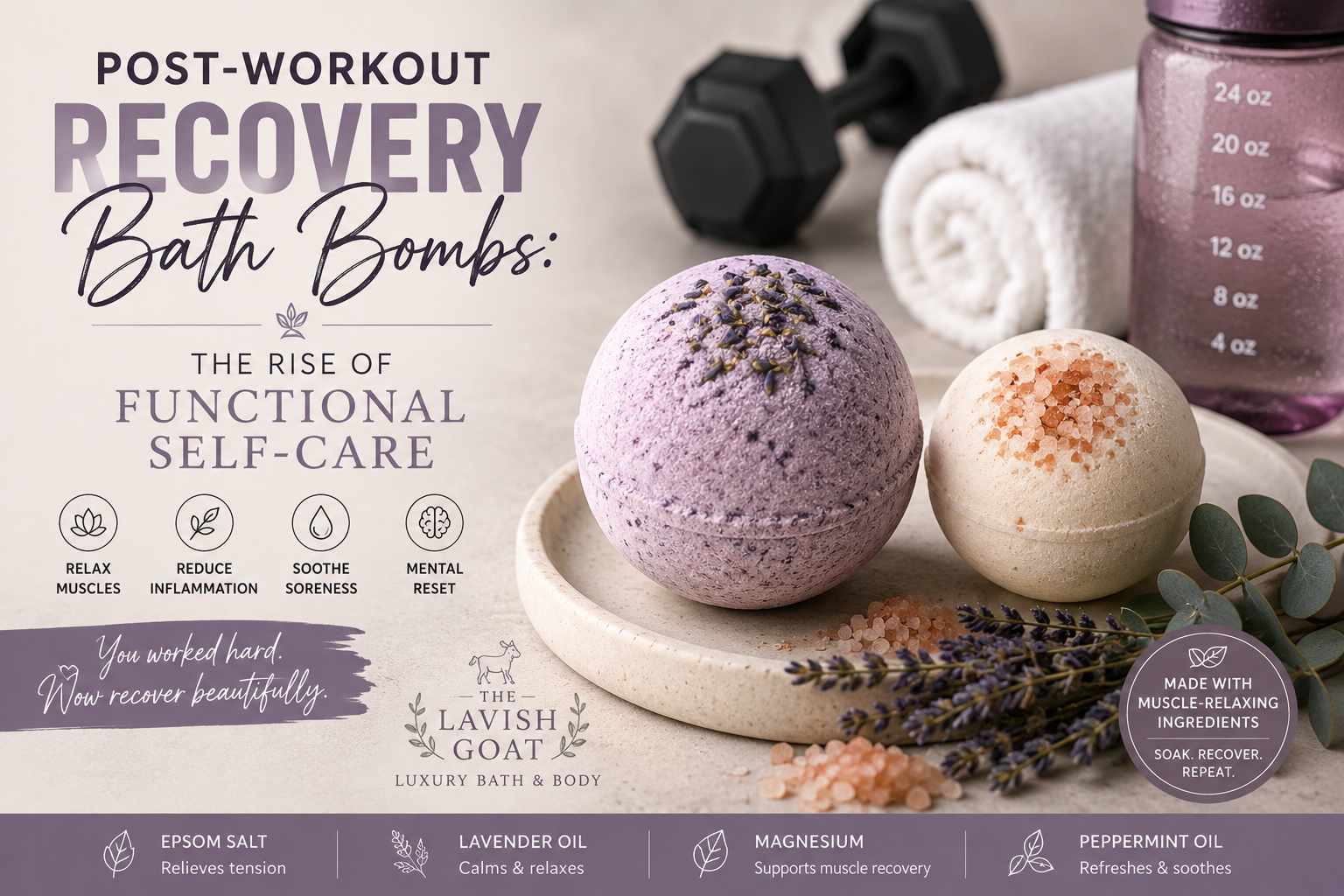
None of this means bath bombs are losing their place in the assortment — it means their role is narrowing into what they've always done best. <cite index="5-1">Bath bombs continue to hold their own in the market because they combine fragrance, color, and entertainment in a single product</cite>, something a shower steamer, which dissolves quietly underfoot, simply can't replicate. Bath bombs remain the stronger choice for households that do have a tub, for families with kids who enjoy the visual fizz-and-color show, and for gift-giving occasions where unboxing and sensory spectacle matter as much as the wellness benefit. <cite index="3-1">Bath bombs also carry a wider range of skin-conditioning ingredients like shea butter and coconut oil</cite> since they're formulated for direct, extended skin contact — a benefit shower steamers don't need to deliver, since <cite index="7-1">steamer formulas don't require skin-friendly additives given they're never meant to touch the body directly</cite>.
That's why most successful 2026 buying strategies aren't "shower steamers instead of bath bombs" — they're "shower steamers alongside bath bombs," with the mix weighted differently depending on the retailer's customer base, region, and season. A boutique near dense apartment housing might flip its ratio heavily toward steamers. A gift shop near a resort town with soaking tubs in every room might keep bath bombs front and center for the holiday rush while adding steamers as a year-round anchor category.
What This Means for Retail Buyers Going Into the Rest of 2026
A few practical takeaways are emerging from the data for anyone planning assortments this year:
- Treat shower steamers as a core, year-round SKU, not a seasonal add-on. Their flat demand curve makes them a stabilizing category on the planogram.
- Keep bath bombs as your Q4 anchor. The October–January surge tied to holiday gifting and cold-weather bathing is real and worth building promotional calendars around.
- Diversify formulations within shower steamers. Buyers are seeing strongest traction in aromatherapy-forward and functional formats — think sinus relief, cold and flu support, and stress-relief blends — as consumers treat the product as much as a wellness tool as a fragrance experience. <cite index="1-1">Lavender remains the top-selling fragrance for its familiarity and wind-down association</cite>, but functional, therapeutic positioning is where new growth is concentrated.
- Watch the private-label opportunity. Because shower steamers are relatively simple and inexpensive to formulate and package, smaller retailers are finding it easier to launch their own branded lines rather than relying solely on national brands — a trend that's accelerating margin capture for independent shops willing to invest in sourcing.
The Bottom Line
The 2026 buyer data doesn't point to bath bombs disappearing — it points to a maturing, two-category market where each product plays to a distinct strength. Shower steamers are winning on accessibility, frequency, and consistency, capturing customers that bath bombs structurally cannot reach. Bath bombs are holding their ground on spectacle, gifting, and seasonal indulgence. For retail buyers, the smartest move isn't picking a side in the Shower Steamers, Bath Bombs debate — it's understanding which job each product does best and building an assortment, and a calendar, that lets both do it well.