Shower steamers have become one of the fastest-growing categories in the self-care and home spa market. Walk into any boutique bath shop, browse a wellness subscription box, or scroll through a handmade marketplace, and you'll find dozens of brands promising to turn an ordinary shower into an aromatherapy escape. But behind every fizzing, fragrant puck lies a manufacturing process that touches on cosmetics regulation, workplace safety, environmental compliance, and consumer protection law.
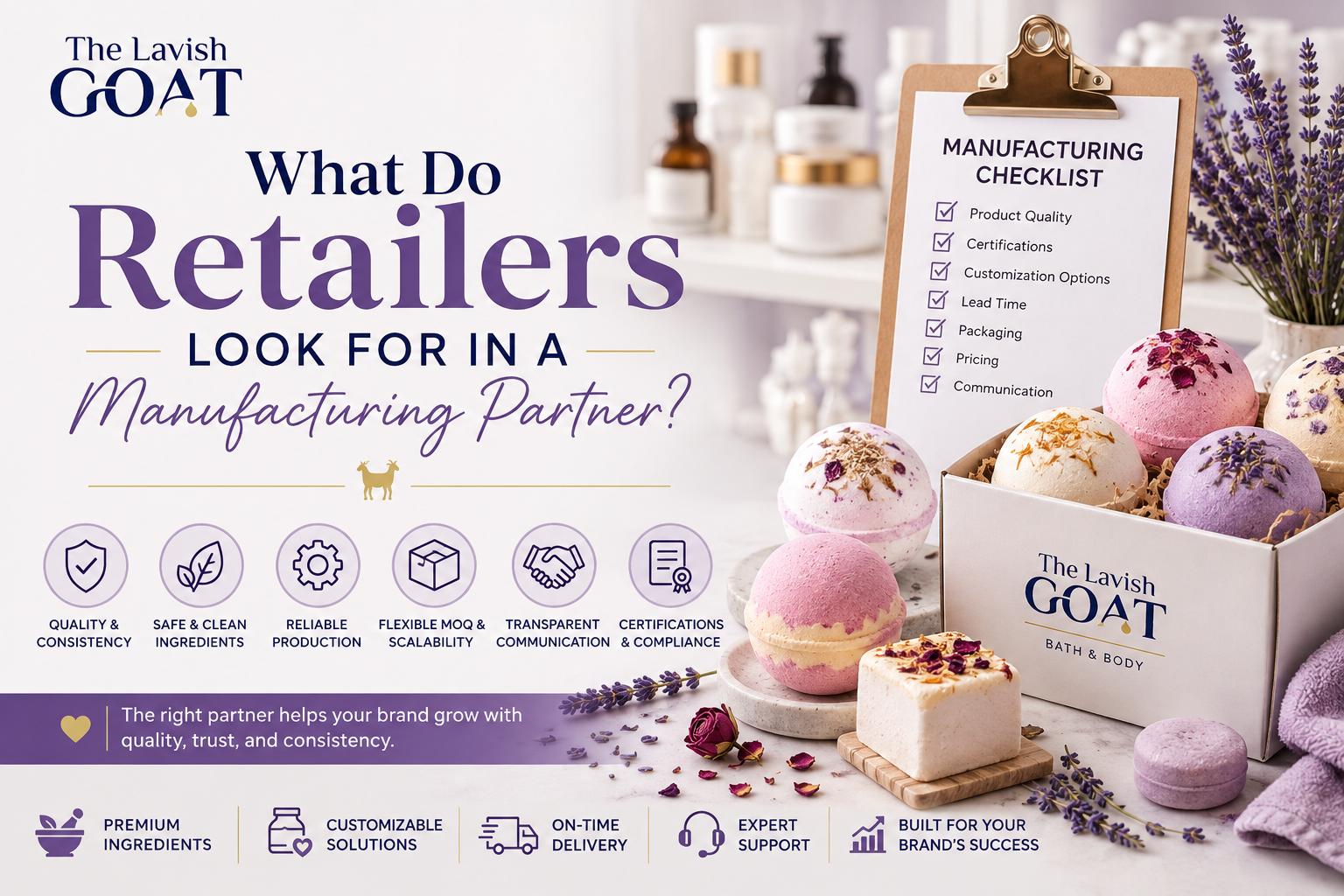
For retailers, private-label brands, and wholesale buyers, one question matters more than pretty packaging: is this manufacturer actually certified to make what they're selling? Choosing a partner without the right credentials can expose a business to recalled inventory, regulatory fines, and reputational damage that's hard to undo. Here's a practical breakdown of the certifications and compliance markers that separate a serious USA shower steamer manufacturer from a garage-scale operation.
Why Certifications Matter More Than They Seem To
Shower steamers sit in a slightly unusual regulatory position. They're not ingested, so they don't fall under food safety rules, but they are inhaled in concentrated, humid, enclosed spaces, which means the essential oils, fragrance compounds, and binding agents used in them come under real scrutiny. A steamer that hasn't been formulated and manufactured with the right oversight can cause skin irritation, respiratory sensitivity, or worse for sensitive users, including children, pregnant individuals, and people with asthma.
Certifications are the paper trail that proves a manufacturer isn't just guessing. They demonstrate that ingredients are sourced responsibly, facilities are inspected, formulations are documented, and the finished product has been tested before it reaches a customer's bathroom shelf.
1. Good Manufacturing Practice (GMP) Certification
The single most important credential to look for is GMP certification, ideally aligned with the standards set out in guidance like ISO 22716, which is the internationally recognized benchmark for cosmetic Good Manufacturing Practices. In the USA, this generally means a facility follows documented procedures for:
- Ingredient receiving, storage, and traceability
- Batch record keeping so every production run can be traced back to its raw materials
- Equipment cleaning and sanitation protocols
- Staff training and hygiene standards
- Quality control checks at each stage of production
GMP certification isn't legally mandatory for every cosmetic manufacturer in the US, but the FDA strongly recommends it, and most reputable buyers treat it as a baseline requirement. A manufacturer that can produce a current GMP audit certificate, rather than just claiming to "follow GMP principles," is signaling a level of operational discipline worth paying attention to.
2. FDA Registration (Voluntary Cosmetic Registration Program / MoCRA Compliance)
Shower steamers are classified as cosmetic products under FDA jurisdiction. Since the passage of the Modernization of Cosmetics Regulation Act (MoCRA) in late 2022, cosmetic manufacturers and processors in the US are now required to register their facilities with the FDA and list the products they produce. This is a meaningful shift from the old voluntary system.
A manufacturer worth partnering with should be able to confirm:
- Their facility is registered under MoCRA
- Products are listed with the FDA as required
- They maintain records supporting the safety substantiation of each formulation
- They have a designated point of contact for adverse event reporting
If a manufacturer can't speak clearly to their MoCRA registration status, that's a red flag. This isn't a niche technicality; it's now a legal requirement for anyone manufacturing cosmetic products, including bath and shower items, for the US market.
3. Safety Data Sheets (SDS) and Ingredient Documentation
Every raw material used in a shower steamer, from citric acid and baking soda to essential oils and fragrance blends, should have a corresponding Safety Data Sheet on file. A credentialed manufacturer maintains an organized SDS library and can produce documentation showing:
- Country of origin for each ingredient
- Purity and grade specifications
- Allergen declarations, particularly for the 26 EU-recognized allergens and other known sensitizers, since many US brands sell internationally
- Certificates of Analysis (CoA) from ingredient suppliers
This documentation matters most when a manufacturer is also formulating custom scent profiles. Fragrance oils in particular vary enormously in quality, and a manufacturer that can't provide IFRA (International Fragrance Association) compliance certificates for their fragrance blends is taking a shortcut that could come back to bite a retail partner later.
4. IFRA Compliance for Fragrance and Essential Oil Use
The International Fragrance Association sets usage limits for fragrance ingredients based on the type of product and its exposure route. Because shower steamers release concentrated aromatic vapor in an enclosed, humid space at close range to the face, IFRA compliance is especially important here compared to, say, a candle or a lotion.
A responsible manufacturer will:
- Only work with fragrance and essential oil suppliers who provide IFRA certificates
- Formulate within recommended usage percentages for inhalation products
- Avoid ingredients on the IFRA prohibited or restricted list for this category
Ask directly whether a manufacturer can provide IFRA certificates for the specific blends used in a given product line. A vague answer usually means they're not tracking this closely enough.
5. OSHA Workplace Safety Compliance
While this certification doesn't directly touch the finished product, a manufacturer's Occupational Safety and Health Administration (OSHA) compliance says a lot about how seriously they run their operation. Shower steamer production involves handling fine powders like citric acid and baking soda, which can create respiratory hazards for workers, along with fragrance oils and sometimes essential oils in concentrated form.
A facility with a clean OSHA safety record and documented protocols for dust control, ventilation, and worker protective equipment is more likely to be running a controlled, consistent production process overall. Operational sloppiness in worker safety often correlates with sloppiness in product quality control.
6. Third-Party Product Testing and Lab Certificates
Beyond regulatory registrations, look for manufacturers who voluntarily submit finished products for third-party testing. This can include:
- Microbial testing to confirm the product is free of harmful bacteria or mold, which is especially relevant given the moisture involved in both production and use
- Heavy metal testing on colorants and mineral ingredients
- Stability testing to confirm the product performs consistently across different storage conditions and shelf life
Manufacturers who invest in this kind of testing usually aren't shy about sharing lab reports. If a supplier hesitates or can't produce recent testing documentation, that hesitation is itself useful information.
7. State and Local Business Licensing
It sounds basic, but it's worth confirming a manufacturer holds valid state business licensing and, where applicable, local health department permits for cosmetic or personal care production. Some states have additional requirements for facilities producing bath and body products, particularly around wastewater and chemical storage given the water-soluble nature of shower steamer ingredients.
Putting It All Together
No single certification tells the whole story. A manufacturer might have excellent GMP practices but be behind on MoCRA registration, or have strong fragrance compliance but weak documentation elsewhere. The goal for any brand vetting a manufacturing partner is to ask for the full picture: GMP audit results, MoCRA registration confirmation, SDS and IFRA documentation, and evidence of third-party testing.
At The Lavish Goat, we believe transparency in sourcing and manufacturing isn't a marketing checkbox, it's the foundation of trust between a brand and the people using its products every day. Whether you're a retailer evaluating a new supplier or a customer curious about what goes into the products on your shelf, asking about certifications is one of the simplest ways to separate genuine quality from clever packaging.