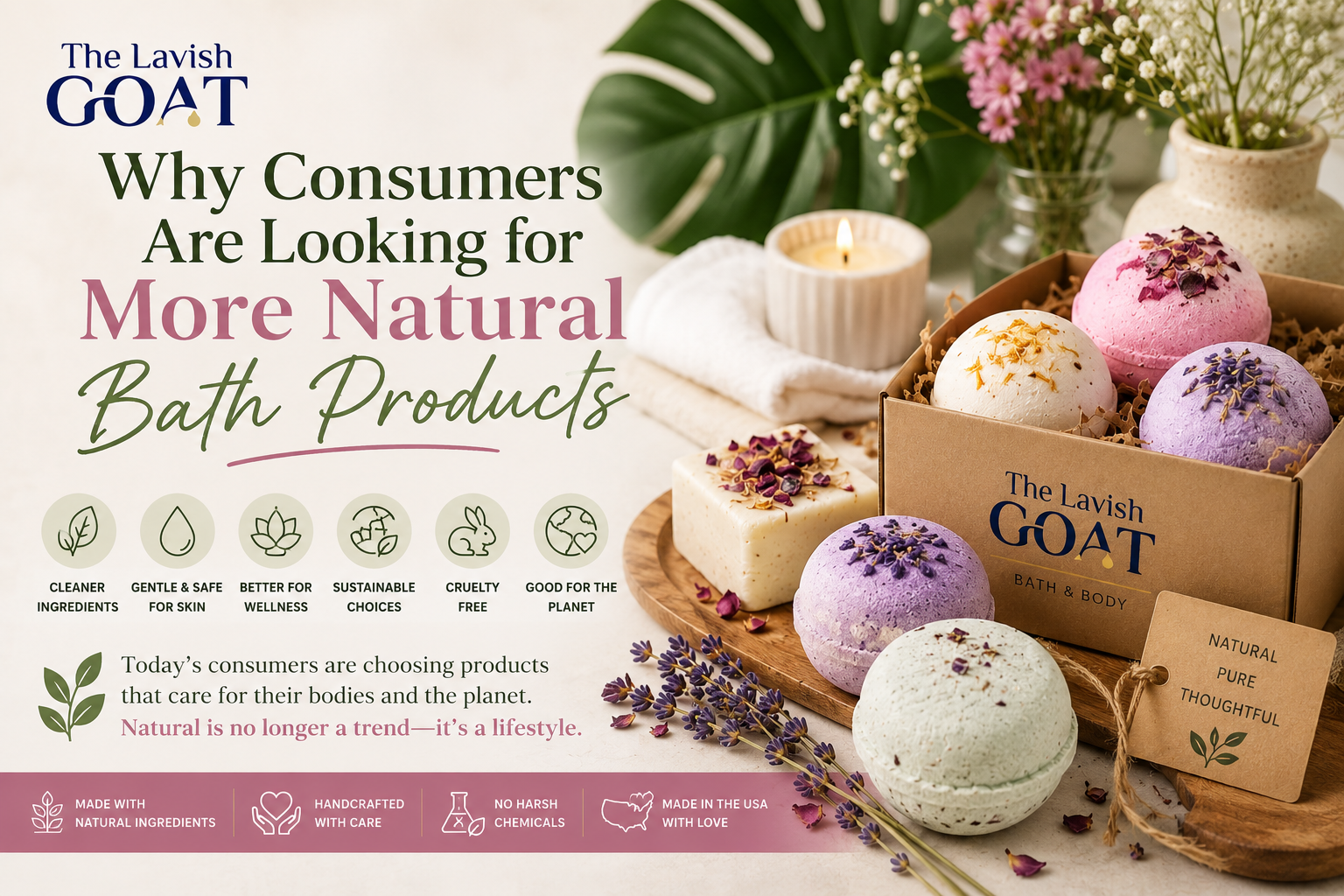
Handmade bath bombs have become a popular choice for people who want to turn an ordinary bath into a more relaxing and enjoyable experience. With their colorful designs, beautiful fragrances, skin-friendly ingredients, and fizzy experience, bath bombs can make bath time feel a little more special.
But have you ever wondered what goes into making a handmade bath bomb? How long can you keep one before using it? And what is the best way to store bath bombs so they remain fresh, fragrant, and effective?
At The Lavish Goat, we understand that choosing the right bath products is about more than appearance. The way a bath bomb is made, packaged, and stored can all affect its quality and performance. In this guide, we’ll explore how handmade bath bombs are made, how long they typically last, and how you can store them properly.
How Are Handmade Bath Bombs Made?
Handmade bath bombs are created by carefully combining dry and wet ingredients to form a mixture that can be molded into different shapes. While the process may look simple, getting the right balance of ingredients is important. Too much moisture can cause a bath bomb to activate before it reaches the bathtub, while too little moisture can make it difficult to hold its shape.
The process generally begins with measuring and preparing the dry ingredients. Common ingredients include baking soda and citric acid, which work together to create the familiar fizz when the bath bomb comes into contact with water.
Depending on the formulation, other ingredients may be added to improve the bath bomb's appearance, fragrance, texture, or overall bath experience. These can include:
- Fragrance or essential oils
- Cosmetic-grade colorants
- Skin-conditioning oils or butters
- Botanical ingredients
- Decorative elements
The dry ingredients are mixed thoroughly so that the color, fragrance, and other components are distributed evenly throughout the mixture. Consistent mixing is particularly important when producing colorful or fragranced bath bombs because it helps ensure that each finished product has a similar appearance and experience.
Adding Moisture to the Mixture
After the dry ingredients are combined, a small amount of liquid or binding ingredient is introduced. This step requires care because the mixture needs enough moisture to hold together without becoming overly wet.
The mixture is usually tested by hand to determine whether it has reached the right consistency. When properly prepared, it should hold its shape when pressed together without becoming wet or activating prematurely.
Molding the Bath Bomb
Once the mixture reaches the right consistency, it is pressed into molds. Handmade bath bombs can be created in many shapes, from traditional round designs to flowers, hearts, cupcakes, and other creative styles.
The mixture is packed firmly into the mold to help create a solid, durable bath bomb. After molding, the bath bombs need sufficient time to dry and harden.
Drying is an important part of the process. A bath bomb that has not dried properly may be softer, more fragile, or more likely to react with moisture during storage.
Finishing and Packaging
Once the bath bombs are completely dry, they can be inspected, decorated, and packaged. Handmade products may receive additional details such as layers, colors, embeds, toppings, or decorative finishes depending on the design.
Packaging is also an important part of protecting bath bombs. Since their main ingredients react when exposed to moisture, proper packaging helps prevent humidity from affecting the product before it reaches the customer.
What Makes Handmade Bath Bombs Different?
The appeal of handmade bath bombs isn't only about the fizz. Handmade products can offer a greater focus on design, fragrance combinations, and small-batch craftsmanship.
A well-made bath bomb should hold its shape, maintain its fragrance, and dissolve effectively when placed in water. The formulation also needs to balance appearance and performance.
For brands and retailers, handmade bath bombs can be an attractive addition to a bath and body collection because they offer plenty of opportunities for customization. Different scents, colors, shapes, and seasonal designs can be used to create collections that appeal to different customers.
How Long Do Handmade Bath Bombs Last?
One of the most common questions about bath bombs is how long they remain usable. The answer depends on several factors, including the ingredients, fragrance, packaging, and storage conditions.
As a general guideline, many handmade bath bombs can remain in good condition for around 6 to 12 months when they are properly made, packaged, and stored. Some products may last longer, but their quality can gradually change over time.
A bath bomb does not necessarily become unusable immediately after a particular date. However, older products may gradually lose some of their fragrance, color intensity, or fizzing performance.
Moisture is one of the biggest factors that can shorten a bath bomb's usable life. If a bath bomb absorbs humidity from the surrounding environment, it may begin to soften or activate prematurely.
Fragrance can also fade over time. A bath bomb stored for an extended period may still fizz in the water but may not provide the same strong scent it had when it was freshly made.
This is why proper packaging and storage are important from the moment the bath bomb is produced until the moment it is used.
How Can You Tell If a Bath Bomb Is Still Good?
If you're unsure whether an older bath bomb is still suitable for use, examine its overall condition before putting it in the tub.
Look for noticeable changes such as:
- A significant loss of fragrance
- Softness or unusual dampness
- Crumbling caused by moisture exposure
- Major changes in appearance
- Signs of contamination or damaged packaging
A bath bomb that has simply lost some fragrance may not necessarily be spoiled, but it may not provide the same experience as a fresher product.
For businesses, following the manufacturer's recommended shelf-life and storage guidance is particularly important. Product labeling and packaging information should also be followed when available.
How Should Handmade Bath Bombs Be Stored?
Proper storage can make a major difference in how long handmade bath bombs maintain their quality. The most important rule is simple: keep bath bombs away from moisture.
A bathroom may seem like the obvious place to store bath bombs, but it isn't always the best option. Bathrooms frequently experience humidity from showers and baths, and that moisture can gradually affect bath bombs.
Instead, keep unused bath bombs in a cool, dry area away from direct water and excessive humidity.
Individual packaging can provide an additional layer of protection. Depending on the product and packaging design, bath bombs may be wrapped individually or placed inside sealed containers or other moisture-resistant packaging.
It's also a good idea to avoid storing bath bombs directly next to sinks, bathtubs, showers, or other areas where they may come into contact with water.
Keep Bath Bombs Away From Heat and Direct Sunlight
Moisture isn't the only consideration. Excessive heat and direct sunlight can also affect bath bomb quality.
High temperatures may influence fragrances, colors, oils, and other ingredients used in the formulation. Direct sunlight can also cause certain colors to fade over time.
For best results, store bath bombs in a location that is:
- Cool and dry
- Away from direct sunlight
- Protected from water and humidity
- Properly sealed or packaged
These simple precautions can help preserve the appearance, fragrance, and overall quality of your bath bombs.
Should You Keep Bath Bombs in the Refrigerator?
Generally, refrigeration isn't necessary for handmade bath bombs. In fact, moving products between cold and warmer environments can sometimes create condensation, which introduces unwanted moisture.
A dry storage area at a stable room temperature is usually a better choice. The priority should be protecting the products from humidity rather than keeping them cold.
How Retailers Should Store Handmade Bath Bombs
For retailers, storage becomes even more important because products may sit in inventory for weeks or months before being purchased.
Keep bath bombs in their original protective packaging whenever possible and avoid displaying large quantities in areas exposed to humidity. If your store has a bathroom, spa area, or other high-moisture environment, take extra care with product placement.
Inventory rotation can also help. Selling older stock before newer stock reduces the chance of products remaining in storage for too long.
A simple first-in, first-out approach can make inventory management easier. When new products arrive, place them behind existing inventory so older products are sold first.
Handmade Bath Bombs at The Lavish Goat
At The Lavish Goat, we believe bath bombs should combine visual appeal, enjoyable fragrances, and a quality experience. Handmade bath bombs can be an excellent choice for customers looking for something special, while also giving retailers and bath and body brands an opportunity to offer products with distinctive designs and scents.
Whether you're shopping for personal use or sourcing products for your business, understanding how bath bombs are made and how to care for them can help you get the most from every product.
Final Thoughts
Handmade bath bombs go through several important steps before they reach the customer. Ingredients are carefully measured and blended, the mixture is molded into shape, and the finished products are allowed to dry before being packaged.
Their shelf life depends on the formulation and storage conditions, but proper protection from moisture, heat, and sunlight can help maintain their quality for longer. For many handmade bath bombs, a general 6-to-12-month timeframe is a useful guideline, although manufacturers' specific recommendations should always take priority.
Most importantly, remember that moisture is the biggest enemy of an unused bath bomb. Store your bath bombs in a cool, dry location, keep them properly sealed, and use them within the recommended timeframe.
With the right care, your handmade bath bombs can stay fragrant, attractive, and ready to deliver that satisfying fizzy bath experience whenever you're ready to unwind.